
My Maui fishing experiences have ranged from frustrating spearfishing sessions to a relaxed day with a rod aboard a charter boat. Both got me out on the ocean, but they asked very different things of me.
Spearfishing demanded patience, training, and a lot of learning. Fishing with Maui Fun Charters offered a different kind of day, with a crew, good conversation, and time to enjoy the view. Here’s what stood out about both experiences.
How my Maui fishing experiences began
Despite having lived briefly with a river in my backyard, my total lifetime fishing time probably added up to less than 30 minutes before this chapter began. It was something that had always interested me. So when I was invited on my first Maui spearfishing trip, I jumped at the opportunity.
The act of catching fish on their own turf was a challenge I’d wanted to take on for a long time. I thought my breath-holding ability meant I could pull it off without too much work. I was wrong. Very wrong!
The reef was beautiful, but seeing a fish and successfully bringing one home turned out to be two very different things. I was still learning, still acquiring gear and often coming back without dinner.
What spearfishing taught me
More breath-hold time wasn’t the answer
I initially thought a short time underwater would be plenty to catch a fish. Watching an experienced partner showed me how much skill and patience I lacked. However, comparing dive times and depths is a poor way to set goals for yourself.
Formal training matters more than trying to copy someone else’s performance. Divers Alert Network’s freediving guidance emphasizes training, avoiding hyperventilation and having a capable buddy closely watching each dive. A watch, a comfortable feeling or a fixed surface-rest formula doesn’t guarantee protection from blackout.
Fish knowledge was crucial
There were times when I saw something big but wasn’t sure whether it belonged on a dinner plate or was more valuable left on the reef. Even after regularly looking at fish images and videos, I found it hard to tell some species apart underwater.
I became interested in fish such as mū, ʻōmilu, moana kali, kūmū, uku and pāpio, along with introduced species such as roi, taʻape and toʻau. Knowing a fish’s name is only the beginning. Identification, size, season, location and species rules all matter.
Roi, or peacock grouper, was one fish I learned to recognize. It appears in DAR’s introduced and invasive species information. Recognizing an introduced fish still doesn’t establish that it is safe to eat.
The CDC’s ciguatera guidance explains that contaminated reef fish can look, smell and taste normal, and cooking doesn’t destroy the toxin. Don’t use appearance or a species nickname as a food-safety test.
The gear I gradually learned about
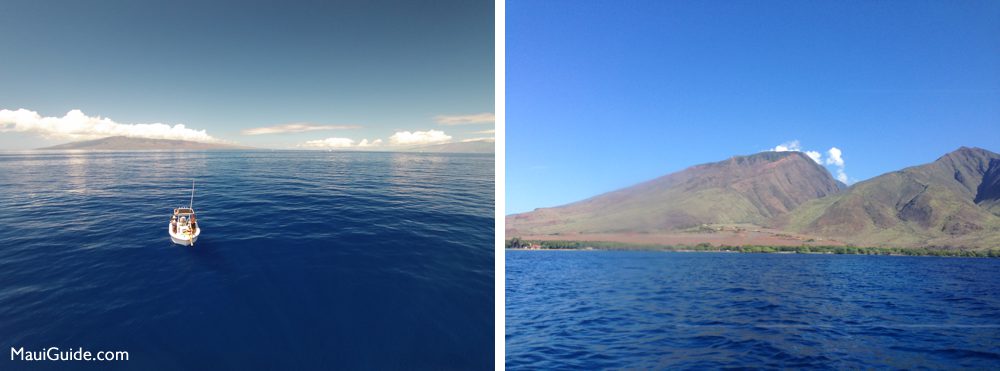
For my first few outings, I used a regular snorkel and mask and borrowed a pole spear from a friend. My mask was too large for what I wanted to do, and I lacked several items that more experienced divers used. It took time to understand why fit, condition and training mattered.
Mask, snorkel and fins
I eventually chose a smaller black silicone mask that fit me better. The improvement was personal: a mask that works for one face can leak on another. I also replaced a tired snorkel that had needed duct tape. Worn-out equipment wasn’t worth trying to stretch through another trip.
Fins were another personal choice. I moved from short rubber fins to longer fiberglass fins and liked their feel. Carbon-fiber options existed too, but cost more. None of those materials replaced the need to learn proper technique and choose equipment for my own ability.
Weights, pole spears and spearguns
A rubber weight belt became part of my setup, but the amount of weight I used shouldn’t become someone else’s shopping instruction. Weighting and releases need to be addressed with a qualified instructor, along with the rest of the system.
I found a pole spear surprisingly difficult. It required close proximity, patience and aim, and I didn’t catch anything with it during those early attempts. A speargun felt different, but neither option made me an expert. Safe handling, local gear rules and awareness of everyone around me remained essential.
Reels and float lines also introduced entanglement concerns. I learned that adding equipment could add complexity as well as convenience. A buddy’s setup wasn’t automatically the right setup for me.
Exposure protection and small essentials
A wetsuit, gloves and booties helped with comfort during longer sessions. A hood was another item I considered. Those choices depended on conditions, fit and the activity; gloves were never a reason to grab coral or assume a sharp fish couldn’t cause an injury.
A suitable cutting tool, dive buoy and flag were also part of the equipment discussions. A flag can help alert boaters, but it doesn’t guarantee that a vessel sees you. Fish storage and stringers required their own planning because of lines, boats and marine animals nearby.
The things that helped back on the boat
A dry bag was useful for keys, snacks and other small items. Phone protection and a GoPro helped us keep memories of our days, although a phone in a waterproof pouch wasn’t a complete emergency plan.
Water, sun protection and a cooler were practical additions. If you keep a legal catch, plan proper handling and cooling, and ask knowledgeable local professionals about food-safety concerns. Not every fish caught is a fish to eat.
Wildlife encounters from those early trips
One of the most memorable moments happened before we intended to dive, when a humpback whale appeared close to our boat. We were incredibly thankful to have the GoPro running. The footage below is a memory of that encounter, rather than an activity to seek out.
Follow NOAA’s current wildlife viewing guidance. Federal rules prohibit approaching humpback whales within 100 yards in Hawaiʻi. Give wildlife room and don’t plan a dive around getting close to an animal.
A very different day with Maui Fun Charters
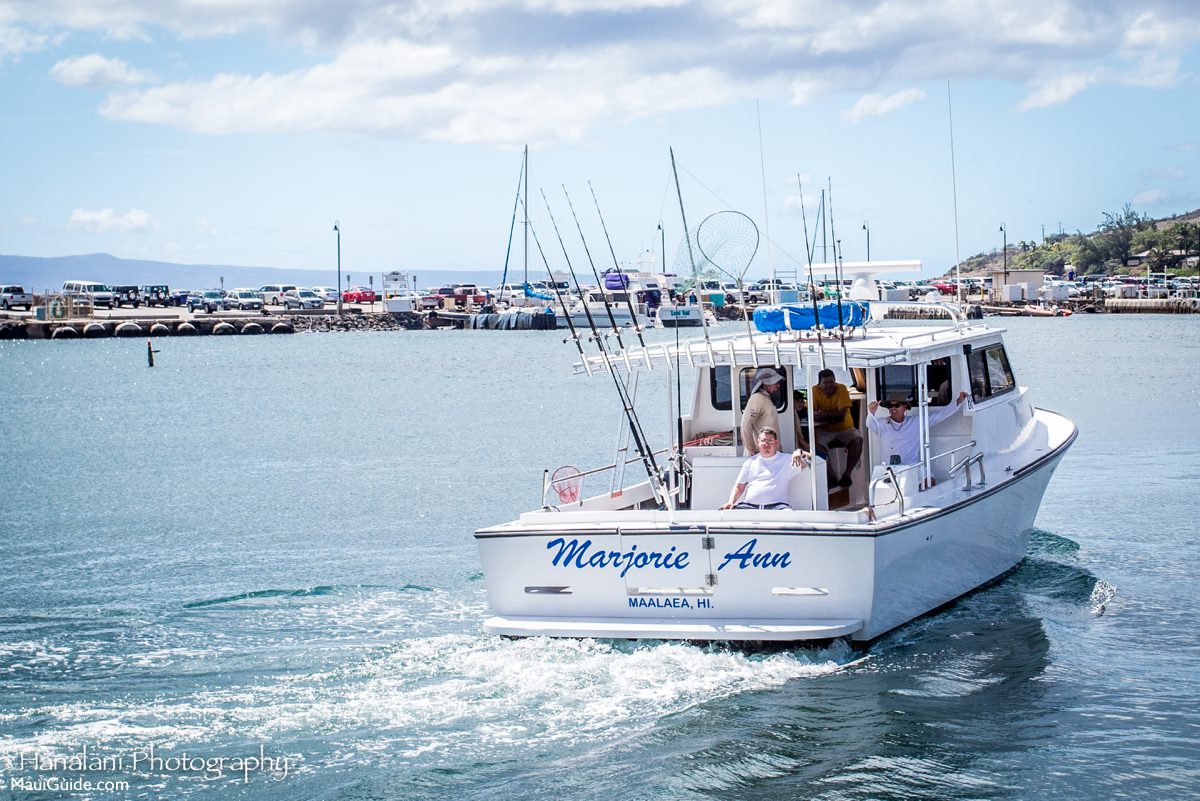
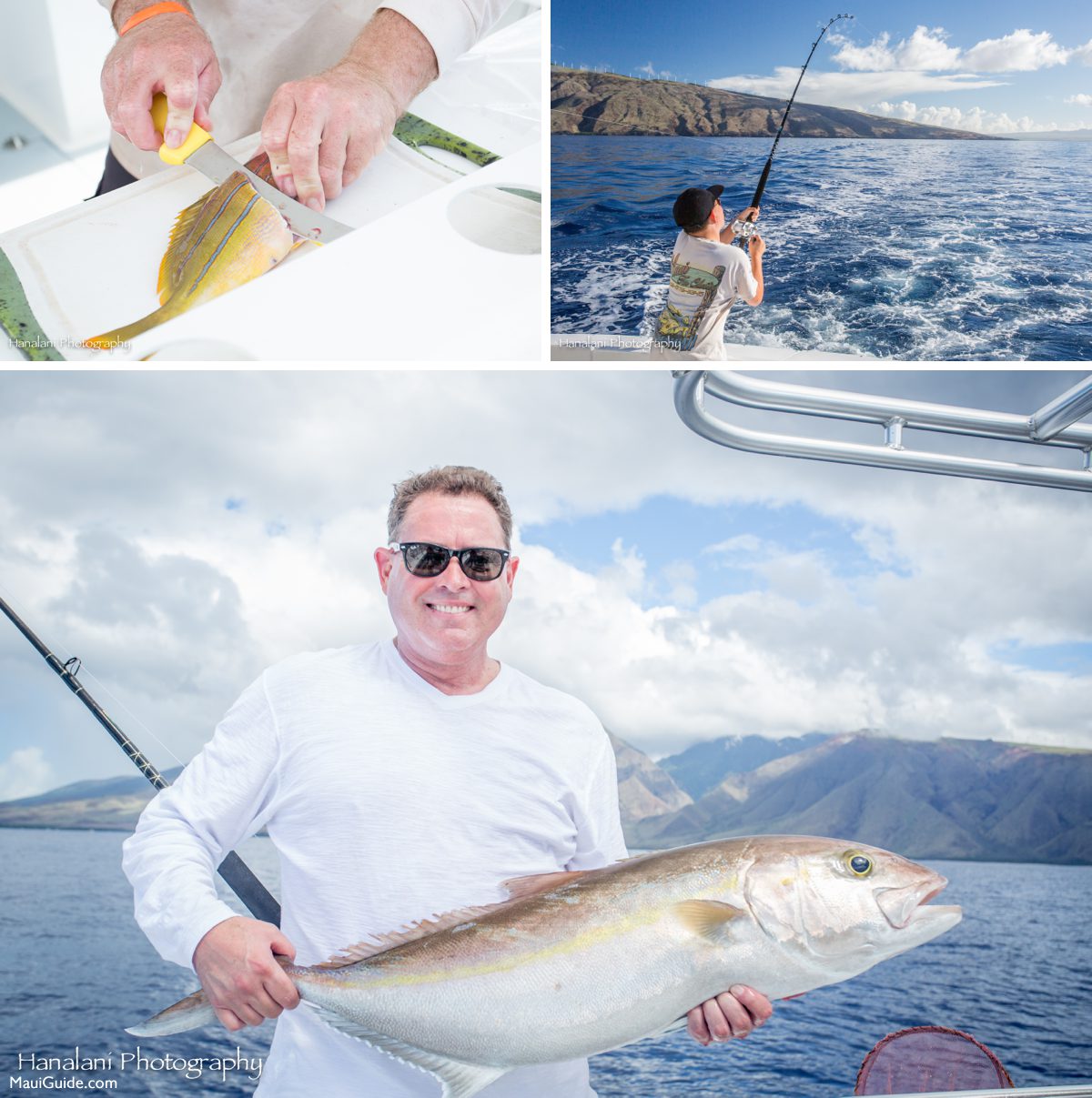
I also went fishing with Maui Fun Charters aboard the Marjorie Ann and was exposed to an entirely different world of fishing. It was an eye-opening change from the enormous challenges of spearfishing to a day in the sun on a boat with friends.
Speeding along a bright blue ocean, enjoying warm tropical breezes, taking in unreal Maui views and sharing hilarious conversation couldn’t be beat. Oh, and we fished too! If I’d started this way first, I might never have gotten into spearfishing.
Coming up empty-handed after a long spearfishing session could be frustrating, even when the exercise and beauty of the reef were satisfying. On a charter, spending time with friends was a big part of the appeal, regardless of the catch. Neither kind of fishing comes with a guarantee.
Planning a Marjorie Ann charter
The Maui Fun Charters website lists capacities that vary by trip. Ask which booking suits your group. The operator describes the Marjorie Ann as a 36-foot powerboat with shade, cabin seating and an onboard toilet, departing from Maʻalaea Harbor, Slip 97.
Call 808.572.2345 to discuss your group, current trip choices and departure details. Ask about bottom fishing versus trolling, private versus shared bookings, children’s needs, catch policies and weather changes. You can also use the email contact on the company’s website.
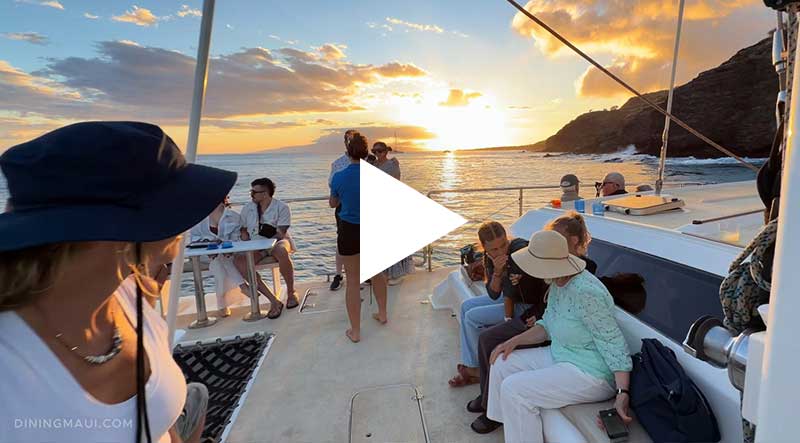
A private outing can also involve activities besides fishing, depending on the trip offered and conditions. The operator also offers snorkeling, sunset charters, and seasonal whale watching. Confirm today’s available choices directly, and treat wildlife sightings as possibilities rather than promises.
Check current rules before any Maui fishing trip
Before you cast a line, check DAR’s nonresident fishing license requirements and current fishing rules. Nonresidents age 15 and older need a recreational marine fishing license. Ask your charter how the requirements apply to your booking.
For an independent outing, verify legal access and the exact area’s restrictions, as well as species, size, season and gear rules. Get appropriate instruction before breath-hold diving. Tell someone your plan, assess conditions and leave room to cancel.
Spearfishing became a new love, but it was a commitment of time, money and learning. The charter showed me another way to enjoy fishing on Maui. Those different experiences are what I remember most: the challenge beneath the surface and the easy conversation above it.

We’re a small group of full-time Maui residents that LOVE exploring and writing about what we think is the best place on Earth: The Island of Maui, Hawaii! Expect many more articles, reviews, photos and videos of Maui and all of the Hawaiian Islands. ALOHA!


0 Comments