
Maui activities with kids can be the highlight of a family vacation. Stunning beaches, luaus, farm visits and refreshing shave ice give you plenty of choices. But even in paradise, accidents can happen, and the right activity is one that suits your child’s actual abilities.
Choose an outing that fits your family, then ask the operator about requirements, supervision and the conditions that can change your plans. Leave room for meals, shade and a slower day between bigger adventures.
Choose Maui activities with kids by ability, not just age

Minimum ages are only a starting point. Height, weight, swimming experience, attention span, comfort with heights and the ability to follow directions all affect whether a particular tour fits.
Tell the operator about your child’s experience before paying. Ask what happens if they decide not to participate, whether a parent must accompany them and how the plan changes when conditions aren’t suitable. You don’t have to fill the itinerary with the most exciting option available.
Zipline adventures: check the specific course
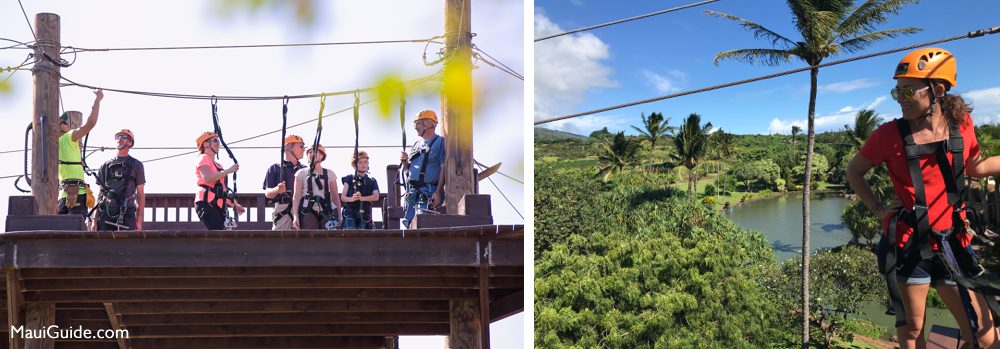
Is there anything cooler than ziplines? They combine broad views with the thrill of moving through the air. Several companies offer zipline tours on Maui, but their participation requirements differ.
Check the exact course’s current age, height and weight requirements. A child who qualifies still needs to feel comfortable and follow the guide’s directions.
- Ask about guide training, equipment checks and how guests are assisted between platforms.
- Follow the operator’s clothing requirements, including footwear. Tie back long hair and secure loose items as instructed.
- Have staff check the harness and helmet fit. If you notice damaged equipment or don’t understand an instruction, stop and ask.
- Discuss the course with your child in advance, and don’t pressure them to ride because you’ve already booked.
Reviews can help you compare experiences, but a positive rating isn’t a substitute for asking about the tour itself.
Downhill bike tours: an outing for capable older riders

The landscapes around Haleakalā are impressive, and a bicycle offers a different view of Upcountry. However, a commercial downhill ride takes place on roads with curves, traffic and changing conditions. It should never be described to children as a race down a mountain.
Haleakalā biking is best considered for capable, experienced older riders. Bike Maui currently requires riders to be at least 15 and at least 4 feet 10 inches tall, with recent riding experience and the ability to control the equipment. Read the full requirements for your chosen operator.
- Be honest about recent riding experience, braking and confidence on shared roads.
- Wear the correctly fitted helmet and closed-toe shoes required by the tour. Ask before bringing your own equipment.
- Secure loose clothing and follow the guide’s spacing, speed and stopping instructions.
- Keep photography for designated stops rather than trying to use a phone while moving.
A vehicle sightseeing tour can be a better choice when one family member isn’t ready for a downhill ride. You can enjoy the mountain without making biking the goal.
Surf school: discuss water skills before the lesson
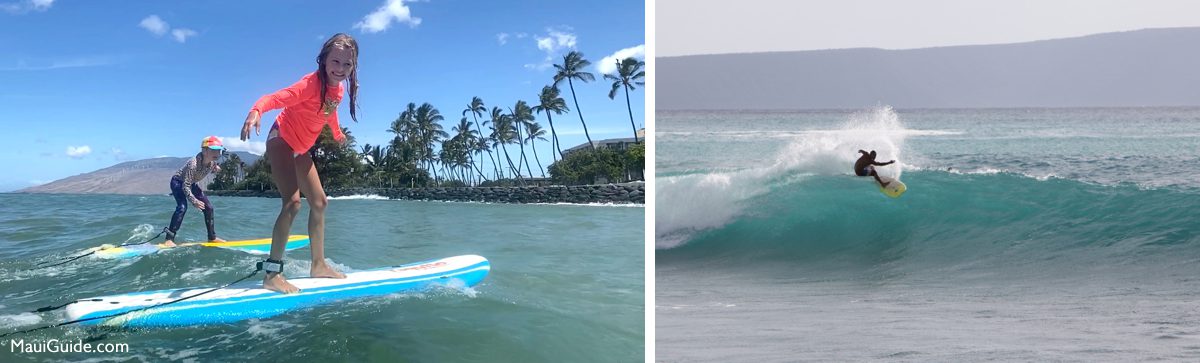
Hawaiʻi is a haven for surfers, and a lesson can be a memorable way to learn about the sport. Hawaiian Paddle Sports offers private Maui surf lessons that include instruction in etiquette and the basics, as well as time on the board.
Before booking, explain your child’s swimming ability and ocean experience. Ask about instructor-to-student ratios, the location, the equipment and the circumstances in which a lesson is changed or canceled.
- Choose a qualified operator with permission to teach at the location, and ask how staff assess the day’s conditions.
- Make sure your child understands how to follow instructions and signal that they need help or want to stop.
- Ask the instructor about appropriate equipment for your child; don’t use this article to make blanket decisions about flotation or adaptive arrangements.
- Use suitable sun protection, including protective clothing where practical, and allow breaks.
Standing up isn’t the only sign of a good lesson. A comfortable child who learns about the ocean has gained something valuable even if they don’t catch the wave they imagined.
Maui Snorkel Tours
Snorkeling can reveal reefs, fish and other marine life, and there are several Molokini snorkel boats to compare. You can also compare the Pacific Whale Foundation with this snorkel catamaran option. Read the operator, itinerary and child policies for the exact departure you choose.
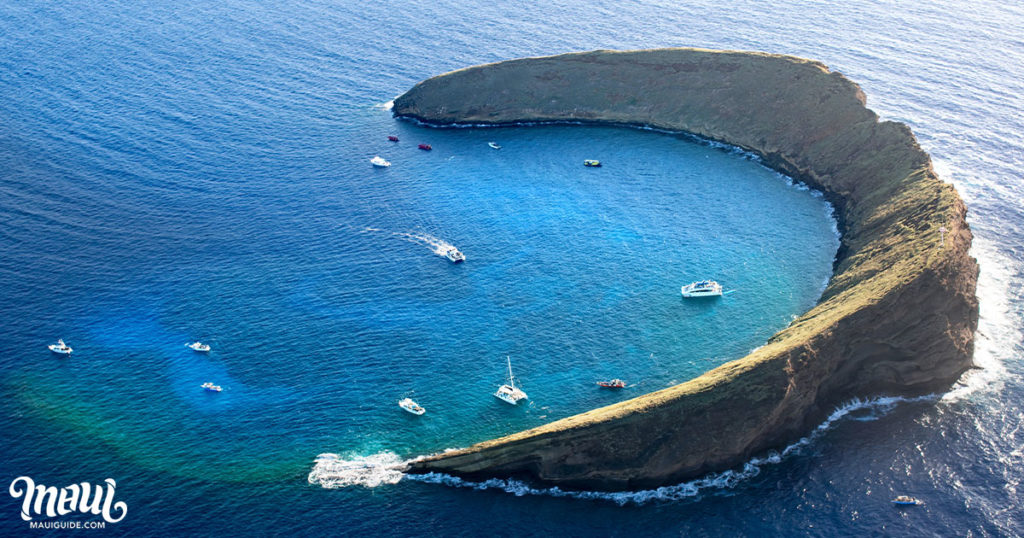
Molokini is a marine conservation area, but that doesn’t make its water consistently gentle or suitable for a younger swimmer. Conditions can change, and staying aboard is a valid choice.
Hawaiʻi Ocean Safety advises that snorkelers should be experienced ocean swimmers. Flotation and supervision don’t turn a non-swimmer into a suitable open-water snorkeler.
- Discuss swimming ability and the crew’s in-water supervision before booking.
- Check mask and fin fit, learn how to use the equipment and stop if breathing through it feels uncomfortable.
- Stay with an appropriate buddy, remain within the crew’s boundaries and follow the return signal.
- Look without touching coral or wildlife. Gloves and booties don’t make standing on the reef acceptable.
No snorkel removes the need for swimming skills, correct use and an appropriate decision about entering the water.
Hiking: choose the trail and the turnaround together
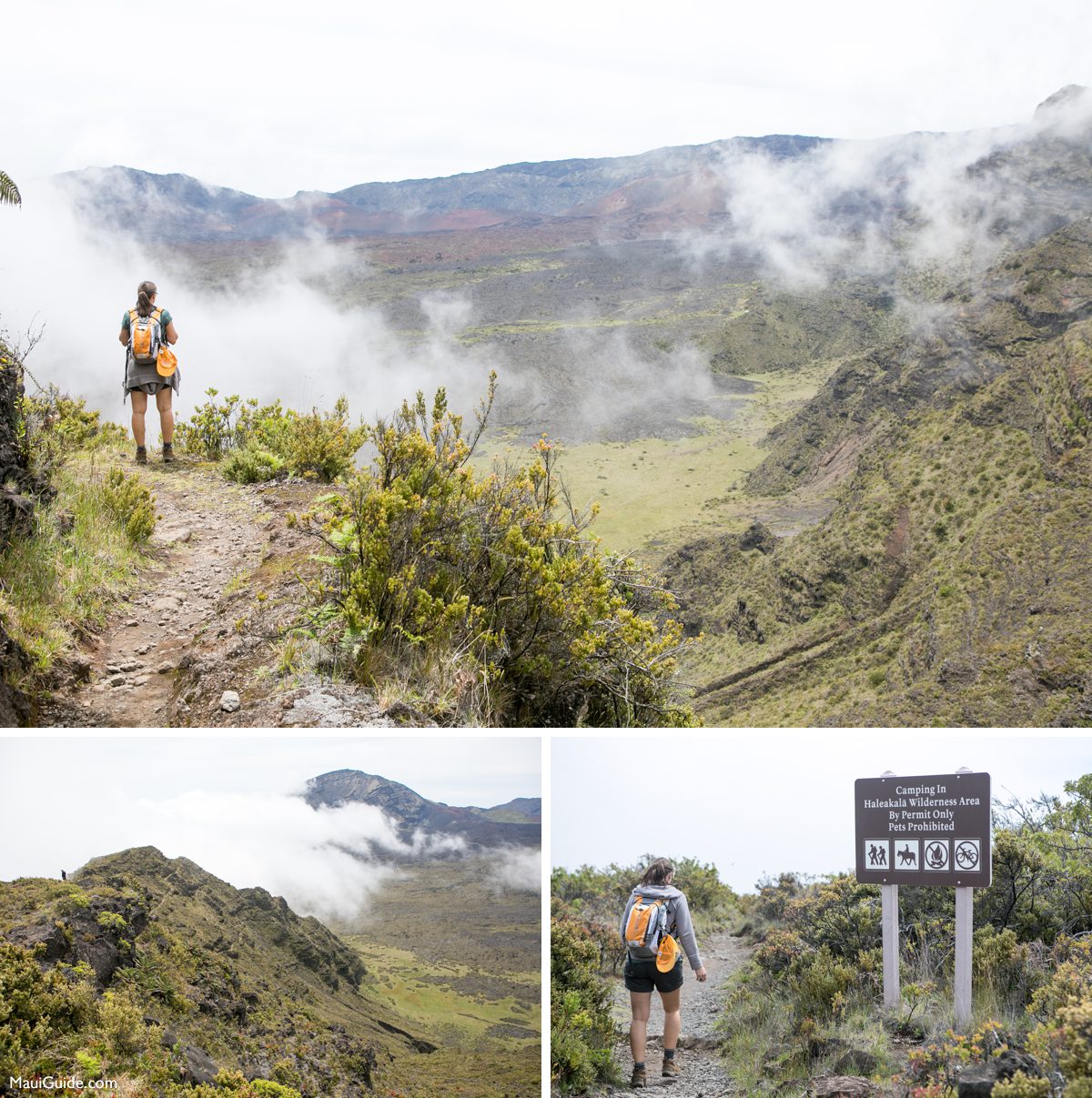
Haleakalā National Park, the Kīpahulu area near ʻOheʻo and Keālia Pond National Wildlife Refuge offer very different walking experiences. Consider distance, footing, exposure, elevation and the return journey before choosing one for your family.
A guided Maui hike can add local knowledge and access arrangements, but no guide can make an outdoor setting risk-free. Ask about the route, group pace and what the plan becomes in poor conditions.
The Twin Falls property has different routes and changing access conditions. Don’t assume every waterfall is reached by one easy, one-mile walk. Ask the property about current access and follow its signs.
- Choose a route your child can complete in both directions and set a realistic turnaround time.
- Bring water, food, sun protection, rain layers and suitable footwear. A charged phone helps, but service isn’t guaranteed.
- Keep children with the group and away from cliff edges, stream banks and closed routes.
- Check official alerts and the weather, and leave the route and return time with someone who can act if you’re overdue.
Don’t jump or dive into waterfall pools, and don’t cross a flooded stream. Rain upstream can create danger even when the sky overhead looks clear. Checking the forecast cannot establish that there is “no chance” of a flash flood.
At Kīpahulu, the park’s current conditions page says the Pools of ʻOheʻo are closed to swimming. Viewing the area from a designated route is a separate activity.
Maui Alpaca: a different kind of family outing
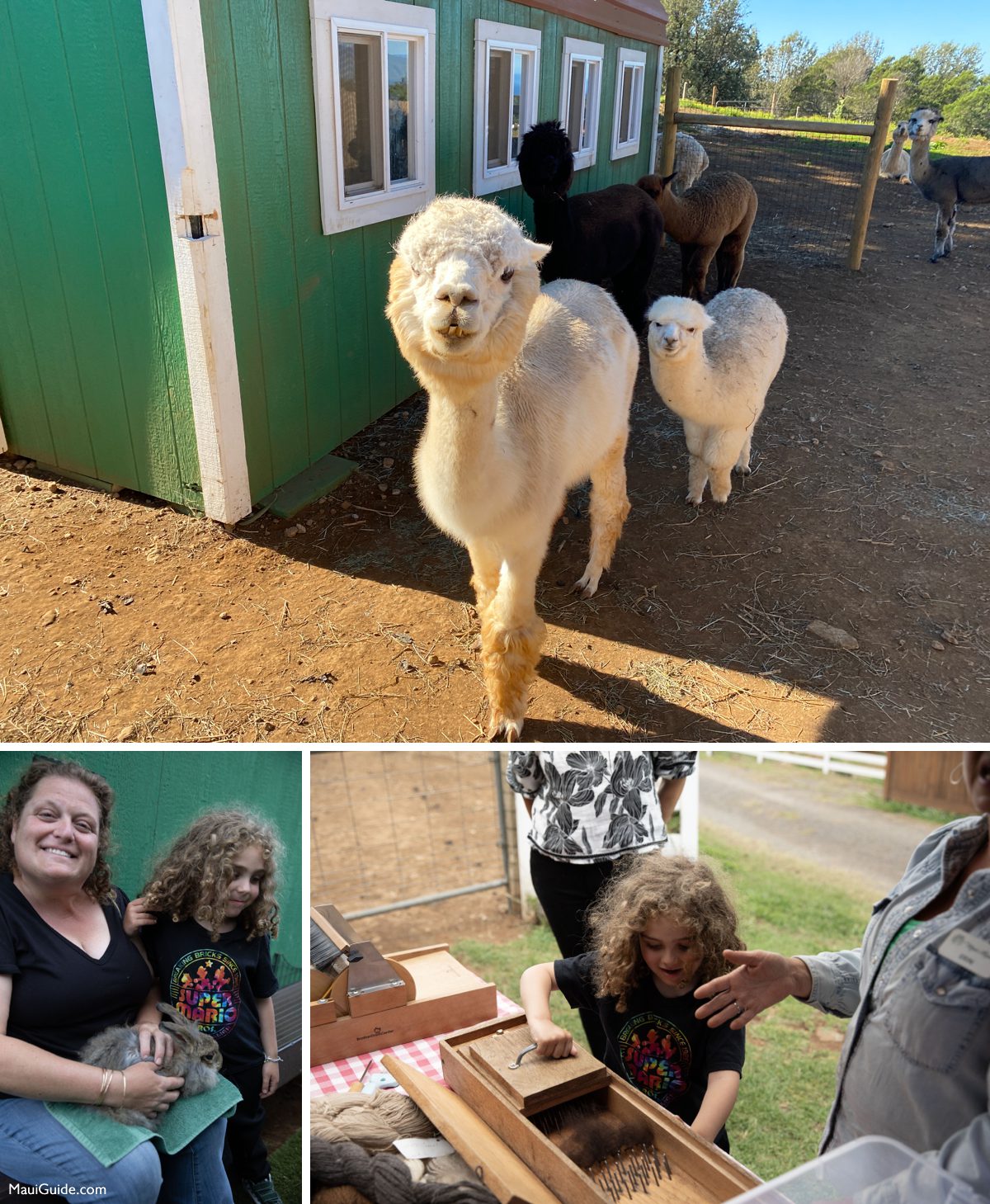
Don’t worry if the activities above fall outside your child’s comfort zone. A farm visit or time at Maui Ocean Center may suit your family better than a water or height-based adventure.
Visit Maui Alpaca to meet alpacas and angora bunnies. The farm’s current website lists farm visits, picnics and a separate trekking experience. Check the age requirements for the activity you actually choose rather than assuming they are all the same.
Seeing the animals and learning about their fiber can be fun without rushing. Follow staff instructions about feeding and handling, supervise children closely and wash hands after animal contact. A farm is a different setting from the ocean, but it still needs sensible supervision.
A seated evening show for older kids

Not every family memory needs a life jacket or a harness. For kids 12 and older, a magic show is an easy evening with no swimming, heights or long drive. Magic & Comedy with Maui magician David Kuraya runs weekly at the Royal Lahaina Resort in Kāʻanapali. Volunteers from the audience help with many of the tricks, so ask your teen whether they’d enjoy being picked or would rather sit further back. Check the age requirement and the current schedule before you book online.
Leave room to change the plan
The best Maui activities with kids match the people in your family and the conditions that day. At the beach, Hawaiʻi Ocean Safety recommends a lifeguarded location, a conversation with the lifeguard before entering and adult supervision whether children are in the water or near it.
Keep meals, shade and rest breaks in the day. If an outing no longer feels right, choose another one. There are plenty of ways to make a Maui memory without pushing a child past their ability or comfort.

We’re a small group of full-time Maui residents that LOVE exploring and writing about what we think is the best place on Earth: The Island of Maui, Hawaii! Expect many more articles, reviews, photos and videos of Maui and all of the Hawaiian Islands. ALOHA!


0 Comments