
Tiny houses on Maui appeal to people looking for a smaller home, a simpler lifestyle and a different way to manage housing costs. However, putting a house on wheels doesn’t automatically make it legal to live in on any parcel.
Original contribution by Erik Blair, published in 2014. This revised archive corrects the original article’s broad claims about permits and zoning, and adds current county guidance.
Why the tiny-house idea caught on
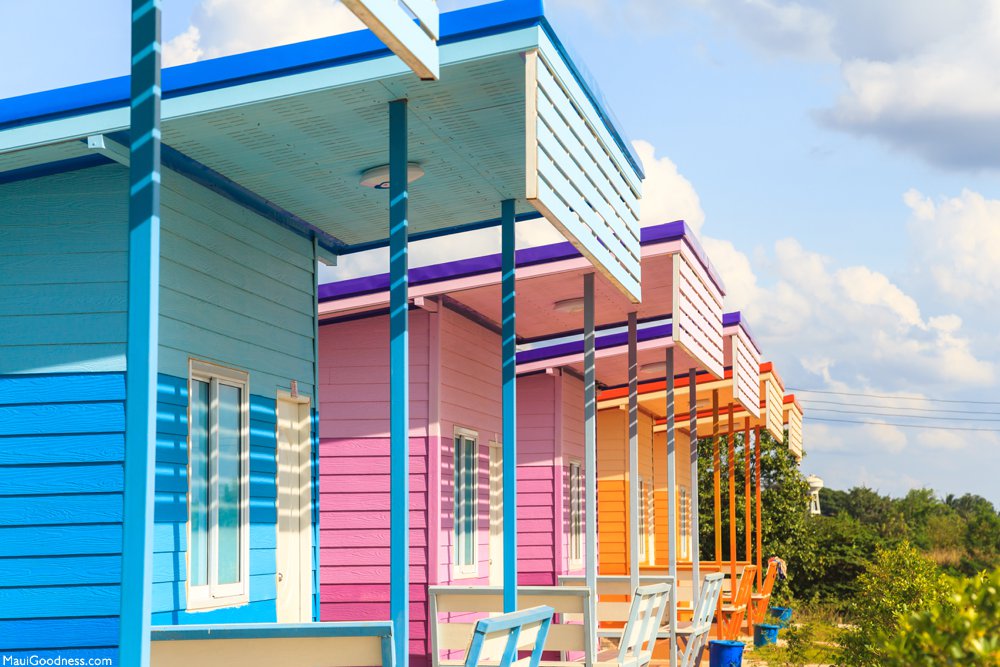
Tiny houses grew in popularity alongside rising living costs and interest in smaller, more efficient lifestyles. For people hoping to escape the rat race, the idea of owning less and spending more time outdoors had obvious appeal.
Hawaiʻi’s climate and outdoor lifestyle helped make the idea especially attractive. Still, a smaller building doesn’t automatically mean a smaller total budget. Land, site preparation, services, transport and approvals all belong in the calculation.
What is a tiny house?
Simply put, it’s a dwelling smaller than a traditional house. Some designs include a sleeping loft, and some sit on a wheeled trailer. Others are permanent structures. Size, construction and intended use vary, so the marketing label alone won’t tell you which rules apply.
The original article described very compact homes of roughly 110 to 190 square feet. That was an example from the movement at the time, rather than a universal definition or an approved minimum size for Maui.
Are tiny houses on Maui exempt from zoning?
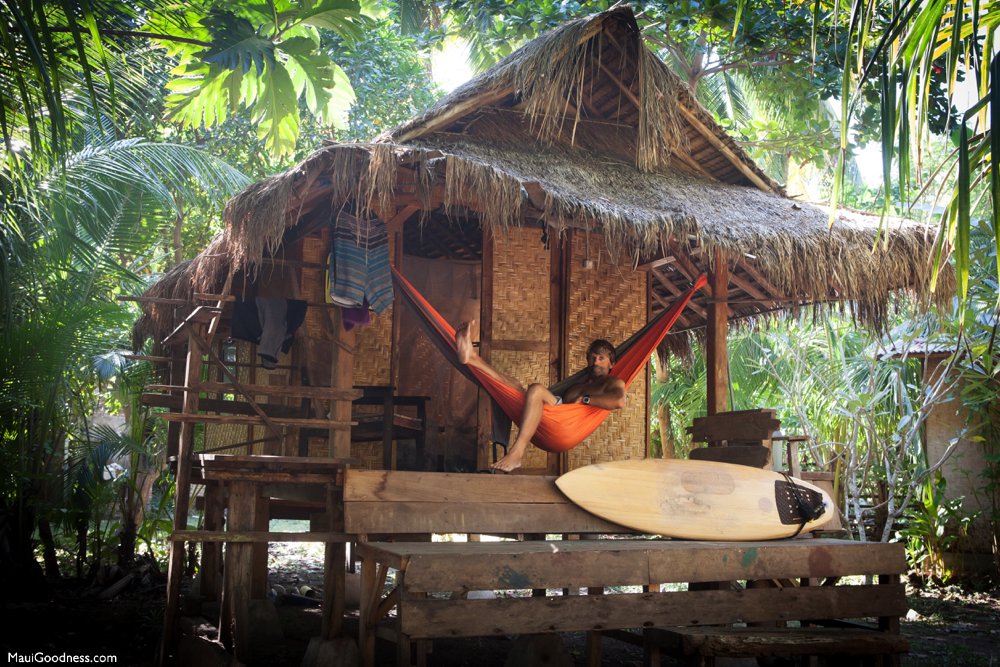
No blanket exemption should be assumed. Maui County’s Planning Department FAQs say tiny homes follow the same zoning rules as other dwelling units. Building and residential codes may also apply, and a trailer may need vehicle registration.
The county separately states that house trailers and mobile homes aren’t permitted as dwelling units on properties in the state agricultural and rural districts under the referenced state land-use rules. That’s a major difference from the original article’s suggestion that a trailer could simply be parked on private land and occupied.
Building permission is a separate question
The county’s building-permit guidance covers construction, alteration, moving and use of structures. A seller’s assurance that a unit is portable or well built doesn’t settle the approval requirements for the proposed site.
Before ordering a home, explain the exact design and intended use to Planning and Public Works. A permanent home, a trailer, an accessory dwelling and temporary accommodation shouldn’t be treated as interchangeable descriptions.
What the traffic-code sections actually address
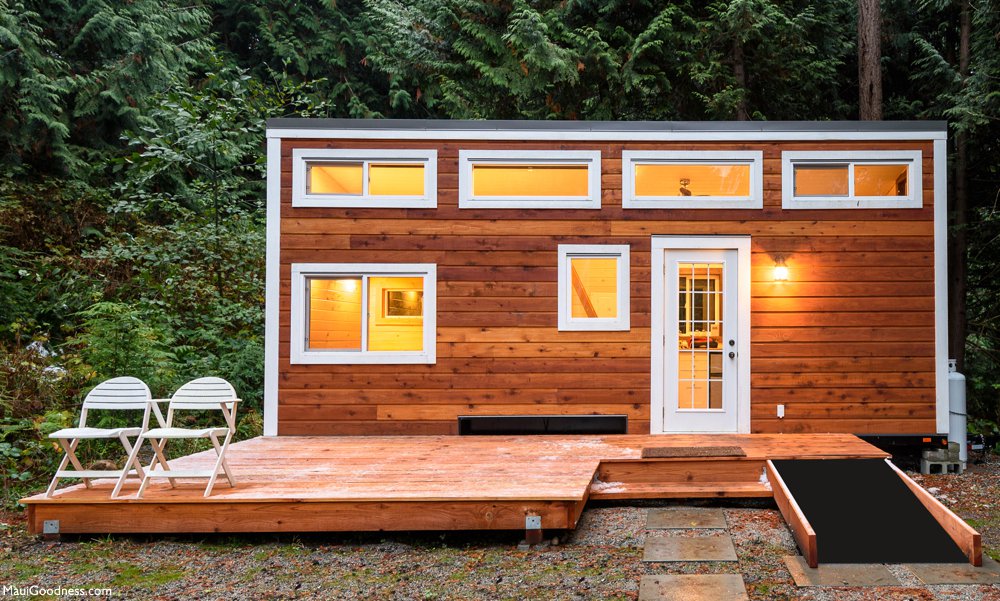
The original author spoke with local agencies and looked at Hawaiʻi’s traffic code. Those conversations were part of the 2014 research, but they shouldn’t be read as a current approval for someone else’s property.
The article linked HRS §291C-1, which includes a definition of a house trailer, and HRS §291C-112, which addresses habitation in parked vehicles.
The current published text of §291C-112 restricts habitation on public property during specified nighttime hours and on private property without the required owner’s or occupant’s authorization. That doesn’t establish a general exemption from zoning, building or other applicable requirements.
Questions to resolve before buying a tiny home
- What are the parcel’s county zoning and state land-use district?
- Is the proposed dwelling use allowed, and how many dwelling units are permitted?
- Which building, moving, electrical or plumbing approvals apply to this design?
- How will water, wastewater, power, access and emergency needs be handled?
- If the home is on a trailer, what registration and transport requirements apply?
- What site work and continuing costs sit outside the advertised home price?
Ask for written guidance tied to your actual parcel and plans. A landowner’s permission is an important part of an arrangement, but it doesn’t replace government approvals.
The original 2014 update and village idea

A July 2014 update discussed a Hawaiʻi County mobile-dwelling provision. That concerned the Island of Hawaiʻi, not Maui County. Its suggested workarounds, such as moving a unit a short distance or briefly staying elsewhere, shouldn’t be used as a compliance plan.
The original vision of a tiny-house village also needs more than enthusiasm and a land agreement. Confirm the proposed number of homes and the intended uses with the relevant agencies before treating a cluster of trailers as an approved community.
Smaller living can still be an appealing goal. For tiny houses on Maui, start with the site and approvals, then choose a design and budget that fit what is actually allowed.
Some of Our Readers’ Thoughts
Selected comments from the original article. These reflect readers’ experiences at the time, rather than current offers or advice. Longer comments are excerpted below.
This is a pretty good idea. The only problem I see is the same reason RVs are not viable, and that’s a lack of place to dump waste. All that grey and black water’s gotta go somewhere.
Adrien, 2014-04-09
it’s been more than 2 years since I was involved with tiny houses in Hawaii, so I recommend you double-check and confirm with zoning to see if any of the rules have changed.
Erik Blair, 2019-11-09 (excerpt)

We’re a small group of full-time Maui residents that LOVE exploring and writing about what we think is the best place on Earth: The Island of Maui, Hawaii! Expect many more articles, reviews, photos and videos of Maui and all of the Hawaiian Islands. ALOHA!



0 Comments