
Humpback whales make the long swim from their North Pacific feeding grounds to the Hawaiian Islands to mate, give birth, and nurse their young. These Maui whale facts cover their migration, calves, surface behaviors, and what to watch for on your next trip.
Enjoy the surface activity when it happens, but give yourself time to watch. A distant blow, a fluke lifting above the water, or a mother and calf traveling together can be just as interesting as a big breach.

Why Humpback Whales Visit Maui
The warm, relatively shallow waters around the Hawaiian Islands are important breeding habitat. Whales that winter here feed in several North Pacific areas, including Alaska and British Columbia. They aren’t all coming from one place.
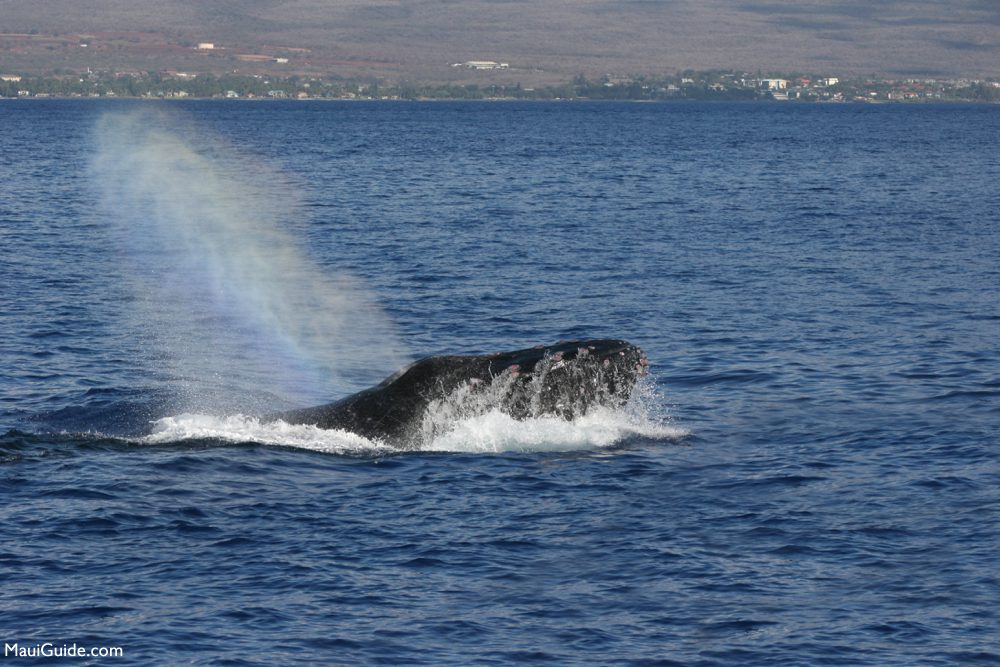
The ʻAuʻau Channel between Maui and Lānaʻi is a well-known whale-watching area. The broader waters around Maui Nui are also important habitat.
Maui Whale Facts: Names, Fins and Calves
The scientific name of the humpback whale is Megaptera novaeangliae, often translated as “big-winged New Englander.” Its long pectoral fins inspired the name. The common name “humpback” refers to the way its back arches before a dive.
Newborn humpback calves are about 13 to 16 feet long. They stay close to their mothers, nursing and growing before making the journey toward feeding grounds. Spotting a small calf alongside a much larger whale is a memorable part of the winter season.
Humpbacks use baleen to filter food from the water. They’re also known for coordinated bubble-net feeding, where bubbles help concentrate prey. That’s associated with feeding grounds such as Alaska, rather than the typical winter whale-watching experience on Maui.
Whale Behaviors You Might See
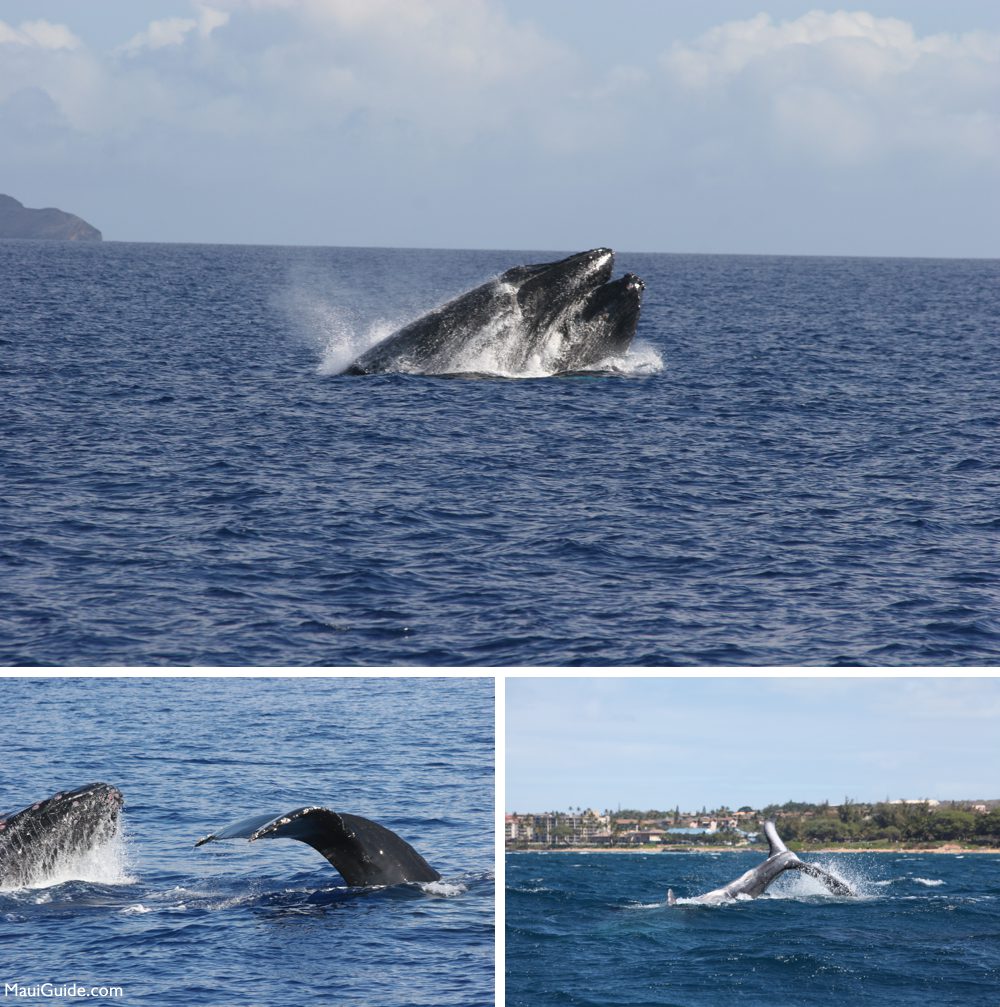
Some of the common surface behaviors include blowing, fluke diving, spy hopping, pectoral slapping, tail slapping, and the crowd favorite, breaching. During a breach, much of the whale’s body rises out of the water before crashing down with a large splash.
A blow is often your first clue that a whale is nearby. Watch the same patch of ocean after seeing one. The whale may surface again, although its next appearance could be farther away than you expect.

Try putting the camera down for part of the trip. It’s easy to spend the whole time looking through a screen and miss what happens beside you. Listen to the crew’s directions and keep an eye on the wider water.
When to Look for Whales on Maui
The sanctuary describes Hawaiʻi’s humpback season as generally running from November through May, with limited sightings possible outside that period. January through March is the peak period described on its sanctuary overview.
Tour schedules and sighting guarantees vary by operator. Check the dates for your specific trip rather than assuming every boat runs the same whale season. Our guide to when humpback whales leave Hawaiʻi has more on timing.
Choose a Whale Watch and Give Them Room
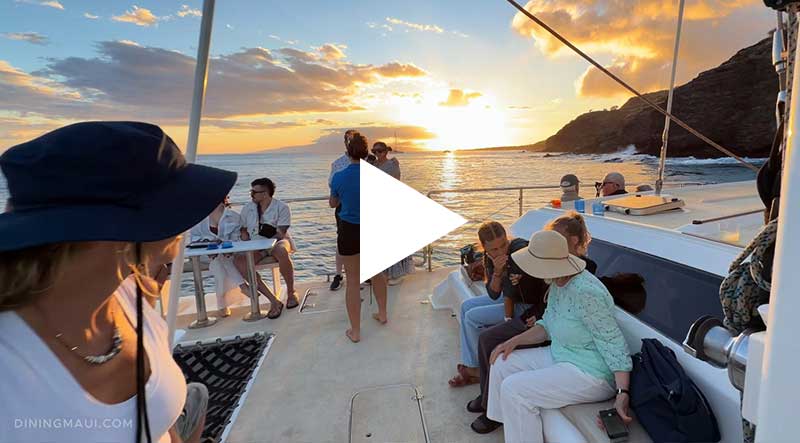
During your next winter trip, consider a whale-watching tour. You can also watch from shore, which gives you the freedom to stay as long as you like. Compare boat options through Maui Whale Watch Tours.
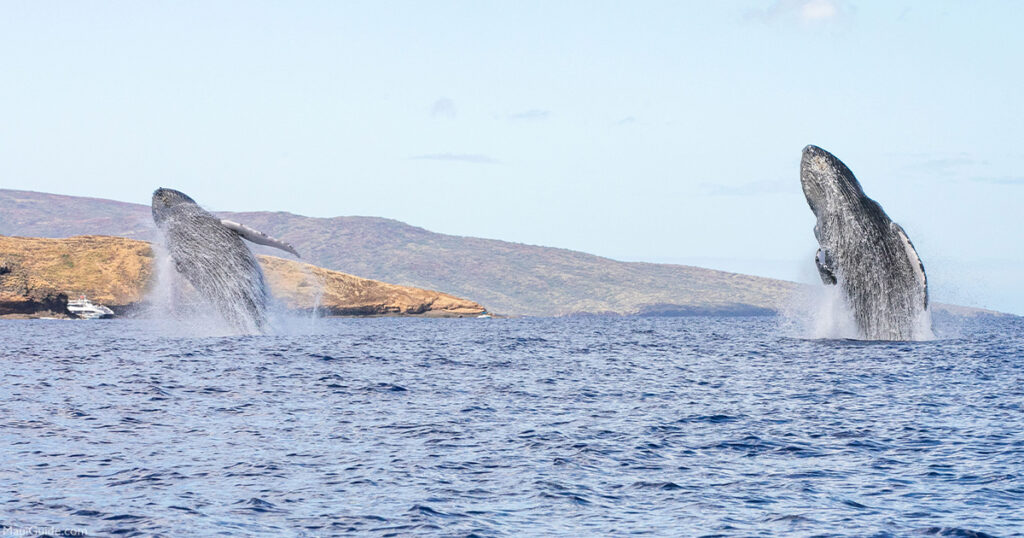
Whale-watching rules apply to small craft too. In Hawaiʻi, it’s illegal to approach a humpback whale within 100 yards. Don’t paddle or swim toward whales. A tour is an opportunity to observe wild animals, so neither a close encounter nor a particular behavior is guaranteed.
Stop for a Meal at Māʻalaea
If you leave from Māʻalaea, check out Havens Harborside Fish & Chophouse. It’s at 300 Maalaea Road by the harbor, making it a convenient place to consider before or after a boat trip.
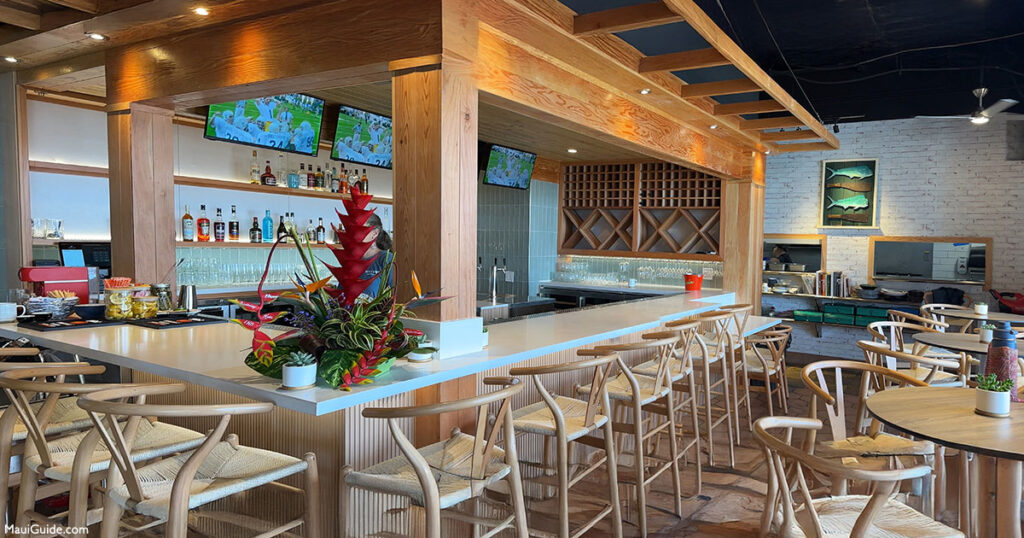
The restaurant serves fish and steaks, with current menus on its website. Check the latest menu and service times before planning around a particular dish.

We’re a small group of full-time Maui residents that LOVE exploring and writing about what we think is the best place on Earth: The Island of Maui, Hawaii! Expect many more articles, reviews, photos and videos of Maui and all of the Hawaiian Islands. ALOHA!


0 Comments