
Haleakala backcountry hiking reveals a different side of a place many visitors know for sunrise. Beyond the summit overlooks, a network of trails leads through volcanic landscapes to remote cabins and tent sites. It’s a memorable way to spend time here if the route matches your experience and preparation.
Haleakalā is deeply rooted in Hawaiian culture, history and tradition. A summit visit can be meaningful on its own; you don’t need to enter the wilderness to appreciate it. For a hike or overnight stay, start with the trail distances, your return climb and the equipment you’ll carry.
Plan your Haleakala backcountry route first
Two trailheads provide the main access into the summit wilderness: Keoneheʻeheʻe, also known as Sliding Sands, and Halemauʻu. Both involve mountain conditions and a return climb that deserves as much attention as the downhill start.
The Haleakala Map and overview of Haleakala National Park can help orient you. For the actual route, use a current park map and check National Park Service conditions, posted signs and ranger advice before setting out.
Choose the trail, turnaround and return arrangements before choosing a cabin. A reservation provides a place to stay, but it doesn’t make the walk short or easy. Keep the plan within the ability of the least experienced person in your group.
Keoneheʻeheʻe: Sliding Sands
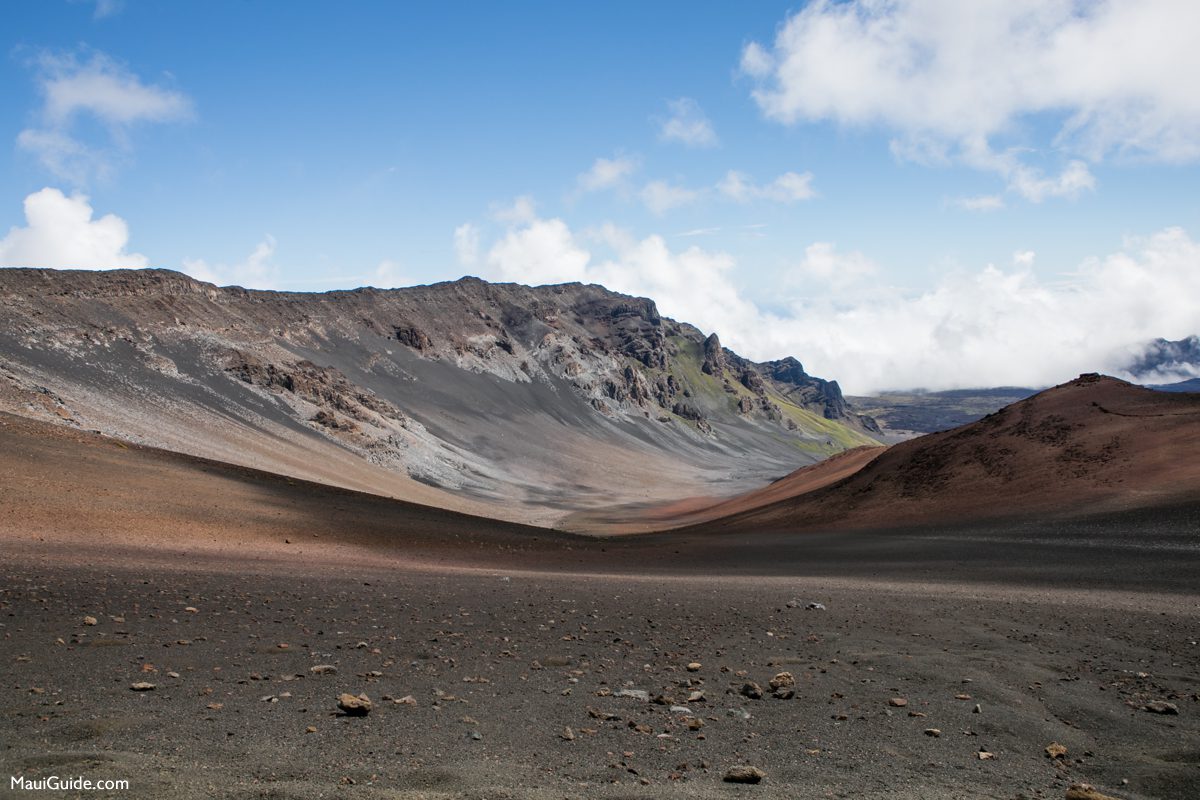
Sliding Sands begins near the Haleakalā Visitor Center and descends into a striking volcanic landscape. The cinder slopes and broad views give the walk its otherworldly feel, while loose footing and altitude make even a modest distance demanding.
The park’s hiking information places the crater floor about 3.9 miles down, with almost 2,500 feet of elevation change. That’s a one-way descent, not the length of an out-and-back day.
Stay on designated trails and obey posted boundaries. The fragile cinder landscape and native plants need protection, and a visible track isn’t an invitation to leave the maintained route.
You can choose a shorter out-and-back rather than the crater floor. Set a conservative turnaround while you still feel comfortable, and remember that the climb back will take more effort than the descent.
Halemauʻu and the route toward Hōlua
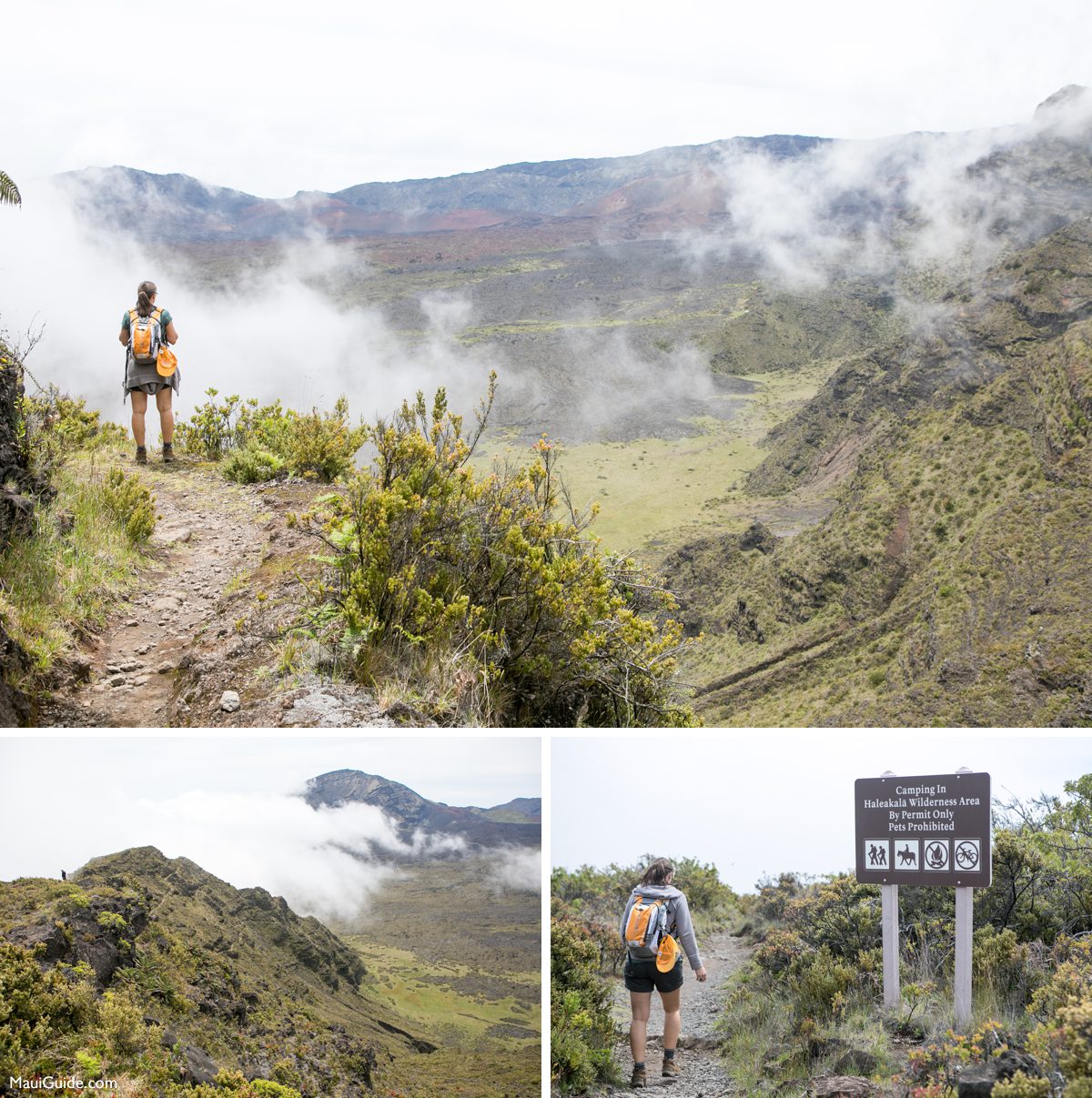
The Halemauʻu Trail begins around 8,000 feet, with shrubland, views toward Koʻolau Gap and switchbacks descending into the wilderness. Clouds can change the scenery quickly, replacing an open view with a much more enclosed feeling.
Hōlua is about 3.7 miles one way from this trailhead. Judge the hike by the terrain, elevation and your loaded pack, not simply by its being the nearest cabin. You’ll need enough energy for the climb back up the switchbacks.
The winding switchbacks present fresh views around corners, but they aren’t a place to hurry for a photograph. Keep to the trail and give other hikers room at appropriate passing places.
The crossing between trailheads
For experienced, prepared hikers, the NPS crater crossing description outlines an approximately 11.2-mile route from Sliding Sands to Halemauʻu. It is extremely strenuous, with several thousand feet of elevation change in remote terrain.
This is a one-way crossing, not a loop. The finish is several road miles from the starting trailhead. Arrange transportation in advance instead of building a remote hike around the assumption that someone will give you a ride.
Reserve cabins and camping before your hike
Reserve wilderness cabins and designated tent sites through Recreation.gov before setting out. Check the park’s alerts for your travel dates alongside the reservation calendar.
For wilderness cabins, NPS currently lists reservations up to six months ahead, $75 per night and a maximum of 12 occupants. Carry the required printed permit and follow the emailed access instructions. These rustic, trail-access shelters aren’t serviced like hotel rooms.
The wilderness tent camping page lists online reservations through Recreation.gov, up to six months ahead, at $20 per night. A tent-site reservation doesn’t include use of a visitor cabin.
Overnight stays across park sites are limited to three nights in a 30-day period. Confirm the current fee and terms when reserving; park admission is separate from accommodation charges.
Three Haleakala backcountry cabin settings
Kapalaoa
Kapalaoa looks across the colorful volcanic landscape, with the south wall of the crater behind it. It sits roughly 5.5 miles from the Sliding Sands trailhead and can form part of a carefully planned overnight route farther east.
Unlike Hōlua and Palikū, Kapalaoa has no accompanying wilderness tent area. Reserve the accommodation you intend to use rather than assuming you can pitch a tent beside any cabin.
Palikū
At the rainforested eastern wall, Palikū feels very different from the dry, sandy slopes near the summit. Clouds and moisture help create its lush setting, one of the contrasts that makes the wilderness so memorable.
It is also remote: the park lists about 9.3 miles one way from Sliding Sands or 10.4 from Halemauʻu. There is both a cabin and a designated tent area. NPS recommends staying on crater trails rather than continuing onto the rugged, unmaintained Kaupō route outside park boundaries.
Hōlua
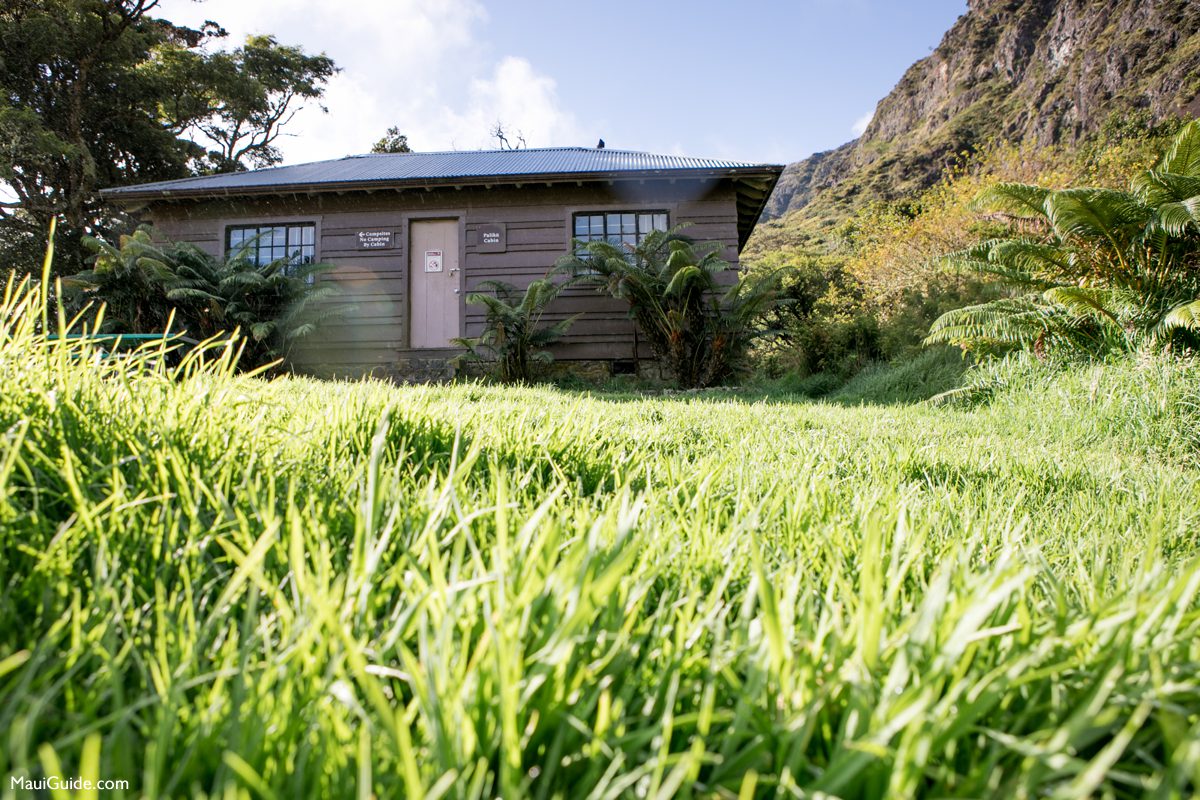
Hōlua lies below the crater wall near Koʻolau Gap, facing the broad wilderness landscape. It offers a different sense of the mountain from the roadside viewpoints, with room to appreciate changing light and the quiet between passing hikers.
At 3.7 miles from Halemauʻu, it’s the cabin reached by the shortest hike, with a designated tent area nearby. “Shortest” is relative here: reserve only after accounting for the full walk out with your gear.
Prepare for a remote mountain stay
Read the park’s hiking safety guidance before packing. Cold, wind, rain, strong sun and altitude can all shape the same trip. Carry warm and waterproof layers, suitable footwear, food, water, navigation and emergency supplies.
Water near wilderness facilities is untreated and may be unavailable during drought. Confirm supply before leaving and carry a suitable treatment method. Cabin amenities aren’t guaranteed, so bring the backup equipment the park recommends rather than relying on finding fuel or supplies.
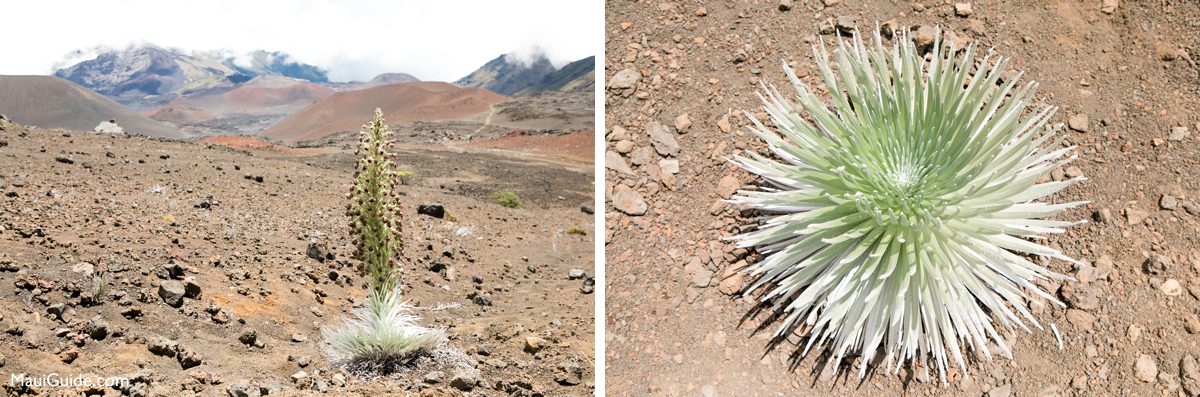
Protect the silverswords and other native plants by keeping your boots and pack on the trail. There is no cell service in the crater. Leave a route and return plan with someone who knows when to seek help. Stay together, leave rocks and cultural features as you find them, and pack out everything you bring.
For another high-elevation idea, consider Polipoli cabins and hiking. That’s a separate state recreation area, with its own access and reservation requirements, including a four-wheel-drive requirement.

We’re a small group of full-time Maui residents that LOVE exploring and writing about what we think is the best place on Earth: The Island of Maui, Hawaii! Expect many more articles, reviews, photos and videos of Maui and all of the Hawaiian Islands. ALOHA!


0 Comments