
Maui localism is a subject visitors ask about, often after hearing a troubling story or seeing an argument online. The question deserves a careful answer that doesn’t reduce a whole community to a stereotype.
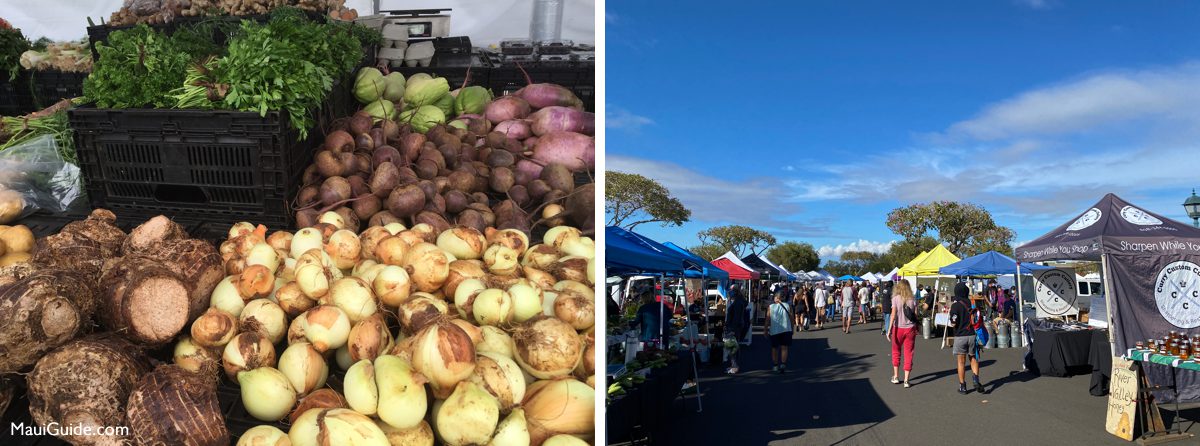
Hawaiʻi is home to people with different backgrounds and experiences. Some people have faced prejudice here, and those experiences shouldn’t be dismissed. At the same time, one encounter can’t tell you what everyone on Maui thinks or how your visit will unfold.
What People Mean by Maui Localism
People use “localism” in different ways. They may mean protecting a surf break, asking visitors to respect a neighborhood, or hostility toward someone seen as an outsider. Those situations aren’t interchangeable. A request to leave private property is different from harassment based on someone’s appearance.
Broad claims about local teenagers, tourism, or racial groups aren’t a fair way to explain individual behavior. Respect for the community and a clear rejection of racism can exist together.
It also matters how we use words. Native Hawaiian identity isn’t a label for every person who lives in Hawaiʻi. Likewise, a resident’s appearance doesn’t tell you their ancestry, where they grew up, or whether they belong here.
Listen Without Assuming Everyone Agrees
Tourism, development and the cost of living are part of this conversation, but a visitor shouldn’t assume that every resident has the same view. Nor should spending money on a holiday be treated as permission to ignore a boundary.
Housing and development are also part of this conversation. When reading about Maui real estate, remember that the island is a place where people build their lives, raise children, and care for family. A holiday experience gives you only one view of that home.
Instead, approach conversations with curiosity. Ask questions when someone wants to talk, listen to the answer, and accept that nobody owes you a discussion about their family, home, or culture.
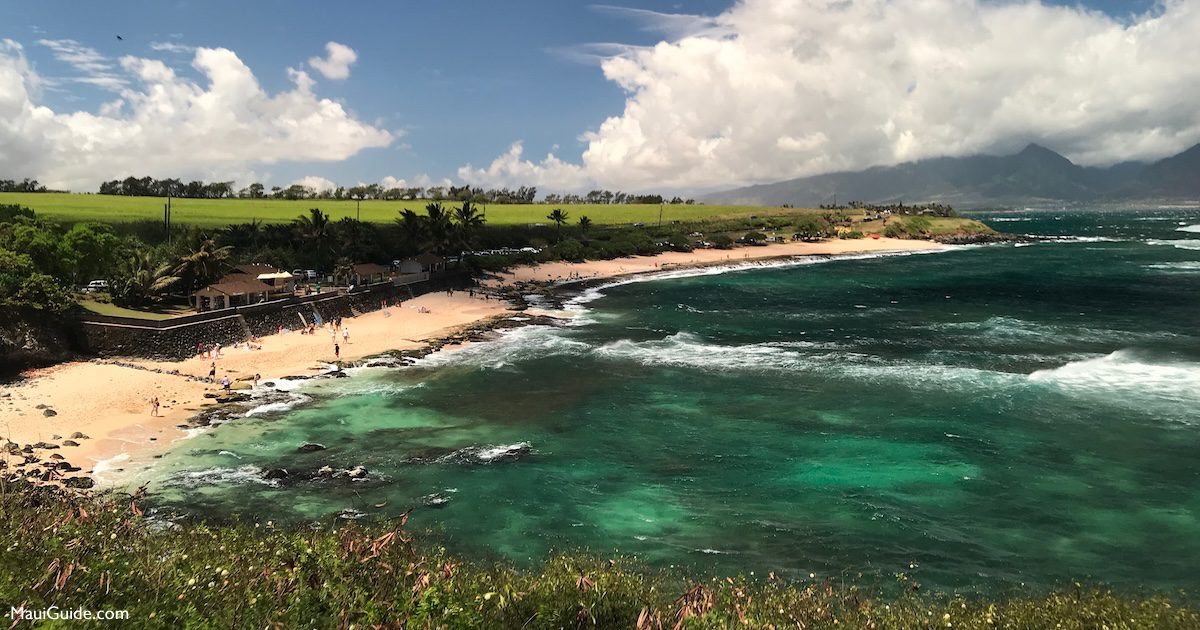
Respect the Land and Its People
Respect the land and its people. Learn before you go. You’re less likely to cause harm when you understand a place before getting involved.
The official Go Hawaiʻi responsible travel guidance asks visitors to learn about local culture and seek permission before entering areas marked kapu or not clearly open to the public. An online photo or map pin doesn’t grant access.
- Follow your host’s lead. For example, ask about removing your shoes when entering someone’s home.
- Use established access. Don’t cross private land to reach natural features and attractions. If access is unclear, choose somewhere else.
- Leave the place as you found it. Take your rubbish with you, keep off coral, and leave natural and cultural objects in place.
- Give people room. Keep driveways clear and park only where permitted. A scenic road also serves people getting to work and home.
- Be considerate with photos. Ask before making someone the subject of a photograph, and accept a refusal.
These habits apply on the Road to Hāna, at the beach, and in everyday neighborhoods. They’re ways to be a thoughtful guest, rather than a formula that guarantees a particular welcome.
If an Encounter Becomes Uncomfortable
You don’t need to win an argument with a stranger. If someone is hostile, create space and leave when you can do so safely. Ask staff or someone you trust for help if needed. If you face immediate danger, call emergency services.
However, don’t confuse every correction with hostility. Someone pointing out a closed trail or blocked driveway may be trying to prevent harm. Listen, correct the problem, and move on.
Different Experiences Deserve Space
A reader described racism she had experienced while growing up on Maui. Her experience is a reminder that visitors on a short resort stay and people living here long term may have different experiences.
Nobody’s experience should be waved away because another person hasn’t shared it. Equally, an individual’s behavior shouldn’t become a verdict on an entire community.
Maui localism remains a topic for listening and thoughtful discussion. Keep spreading aloha through your own actions, while respecting other people’s dignity, boundaries, and right to tell their own stories.

We’re a small group of full-time Maui residents that LOVE exploring and writing about what we think is the best place on Earth: The Island of Maui, Hawaii! Expect many more articles, reviews, photos and videos of Maui and all of the Hawaiian Islands. ALOHA!


0 Comments