
Maui waterfall adventures can be very different outings. One puts you on a rope with a guide, another leads through bamboo to a waterfall viewing area, and a third offers distant falls among broad valley views. Choosing the right one makes the day more enjoyable.
While lounging on the beach is tempting, these three ideas from our original article give nature enthusiasts and active travelers another way to spend a day. We’ve kept our earlier impressions while updating the tour arrangements and the planning details that have changed.
Three Maui waterfall adventures, three different experiences
Choose Rappel Maui if you want a guided rope activity and meet its participation requirements. Choose Pīpīwai for a substantial East Maui hike to a waterfall viewing area. Choose Waiheʻe Ridge for an uphill West Maui landscape hike where a distant waterfall is only part of the scenery.

These aren’t interchangeable swimming trips. Stay on authorized routes, respect closures and check conditions before leaving. Heavy rain can change a waterfall outing quickly, so the plan needs room for a different activity if conditions don’t cooperate.

Rappel Maui: a guided waterfall descent
If rappelling down jungle walls and waterfalls along the Road to Hāna sounds like your cup of adrenaline, Rappel Maui is the rope-based option on this list. We loved our earlier experience: the guides were friendly, the rainforest setting was memorable and the descent felt exhilarating.
The current Classic Rappelling Group Tour lasts about three hours, with guests meeting at the Garden of Eden activity site at 10-600 Hāna Highway. That’s different from our old six-plus-hour description with round-trip transportation. Allow for your own drive and follow the operator’s meeting instructions.
The current FAQ describes a dry practice rappel followed by two waterfall descents, conditions permitting. Classic participants must be at least 10 and weigh 70–250 pounds; minors need an accompanying adult aged 21 or older. Other physical and health requirements also apply, so read the full eligibility information before paying.
Classic tours currently include water and packaged snacks, while a catered lunch is an option for private tours. Don’t assume the old lunch-and-transport package still applies. Call 808-270-1500 with questions, and follow the guide’s decisions about conditions rather than treating “rain or shine” as an all-weather guarantee.
Pīpīwai Trail: bamboo forest and Waimoku Falls
Pīpīwai is one of Maui’s memorable hikes because the scenery keeps changing. A banyan tree, stream views, a dramatic bamboo forest and the approach to Waimoku Falls give the walk much more than a single destination.
The trail is in Haleakalā National Park’s coastal Kīpahulu District, beyond Hāna. The National Park Service hiking page describes a four-mile round trip with about 800 feet of elevation change. Waimoku Falls is roughly 400 feet tall, but the trail ends at its viewing area, not at an invitation to walk beneath the falling water.
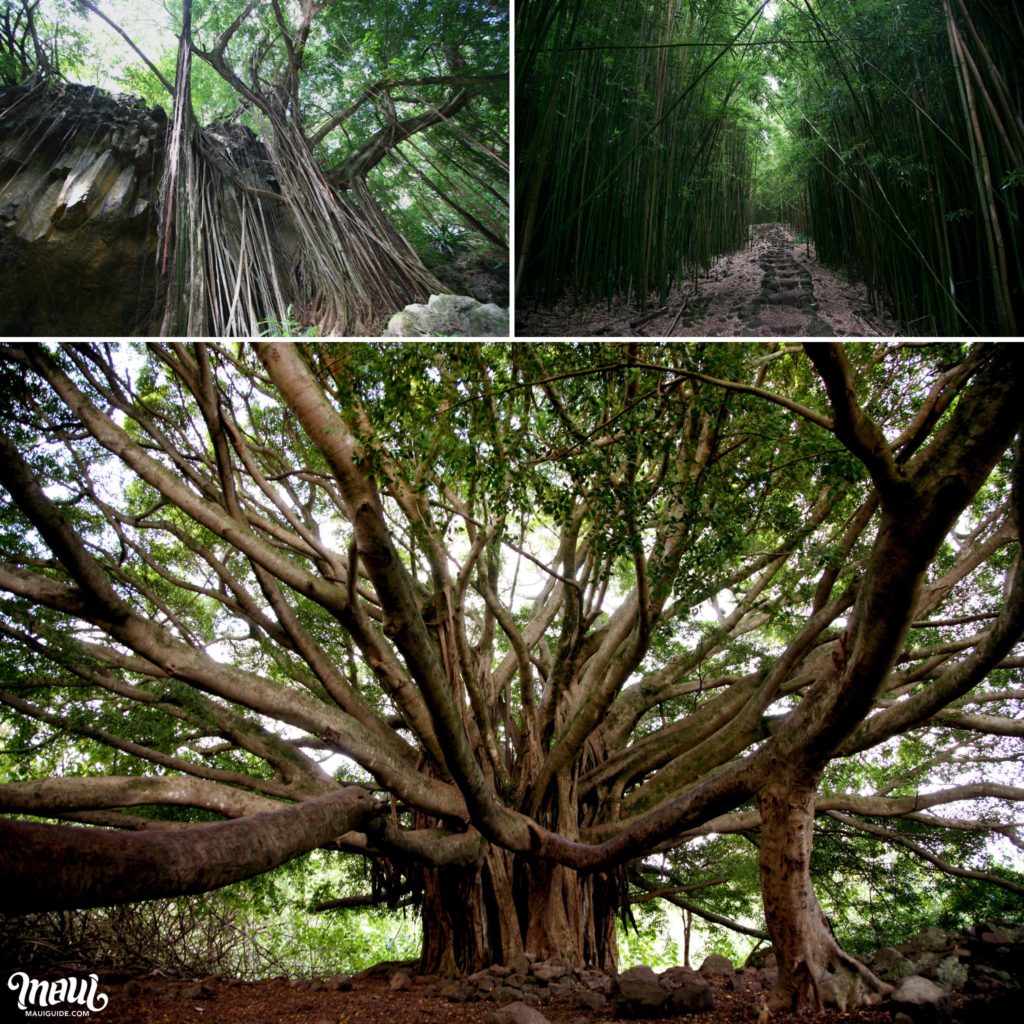
Allow time for the drive and the hike. Wear suitable footwear and bring water, food and rain protection. Stay on the marked route and behind the posted boundary near the falls. Our original description of hiking “through a freshwater stream” shouldn’t be read as advice to leave the trail or wade across a stream.
Our earlier video gives a sense of the setting:
If a full hike doesn’t suit your day, the Makahiku Falls overlook is about half a mile along Pīpīwai, making an approximately one-mile round trip. It still involves uneven ground, roots, stairs and elevation gain.
Camping and the Pools of ʻOheʻo
We once suggested camping overnight to give the hike more time. That can work with advance planning, but it isn’t a spontaneous fallback for arriving late. Kīpahulu Campground requires an online reservation, and sleeping elsewhere in a vehicle inside the park isn’t allowed.
Check current park conditions before traveling. The Pools of ʻOheʻo are currently closed to swimming; viewing them from the designated trail is a separate activity from hiking Pīpīwai.
Waiheʻe Ridge: valley scenery and distant falls
Waiheʻe Ridge climbs the windward side of West Maui, with views toward Waiheʻe Valley, the coastline and, when visibility and water flow allow, Makamakaʻole Falls in the distance. This is a ridge hike, not a trail to the waterfall’s pool.
We love the mix of forest, open slopes, rolling clouds and wide views. The uphill effort and sometimes slippery footing are part of the decision, though. Choose it for the landscape rather than a promise of a close-up waterfall photograph.
Use the state Waiheʻe Ridge trail map for route context, then check current trail notices and posted access information. The map lists 2.5 miles one way; follow current signs and allow time for the return, rather than choosing a turnaround based only on a mileage estimate.
Bring your own drinking water, wear shoes with traction and stay on the trail. Cloud can replace an open view quickly. Turning around before the top can still leave you with a satisfying hike.
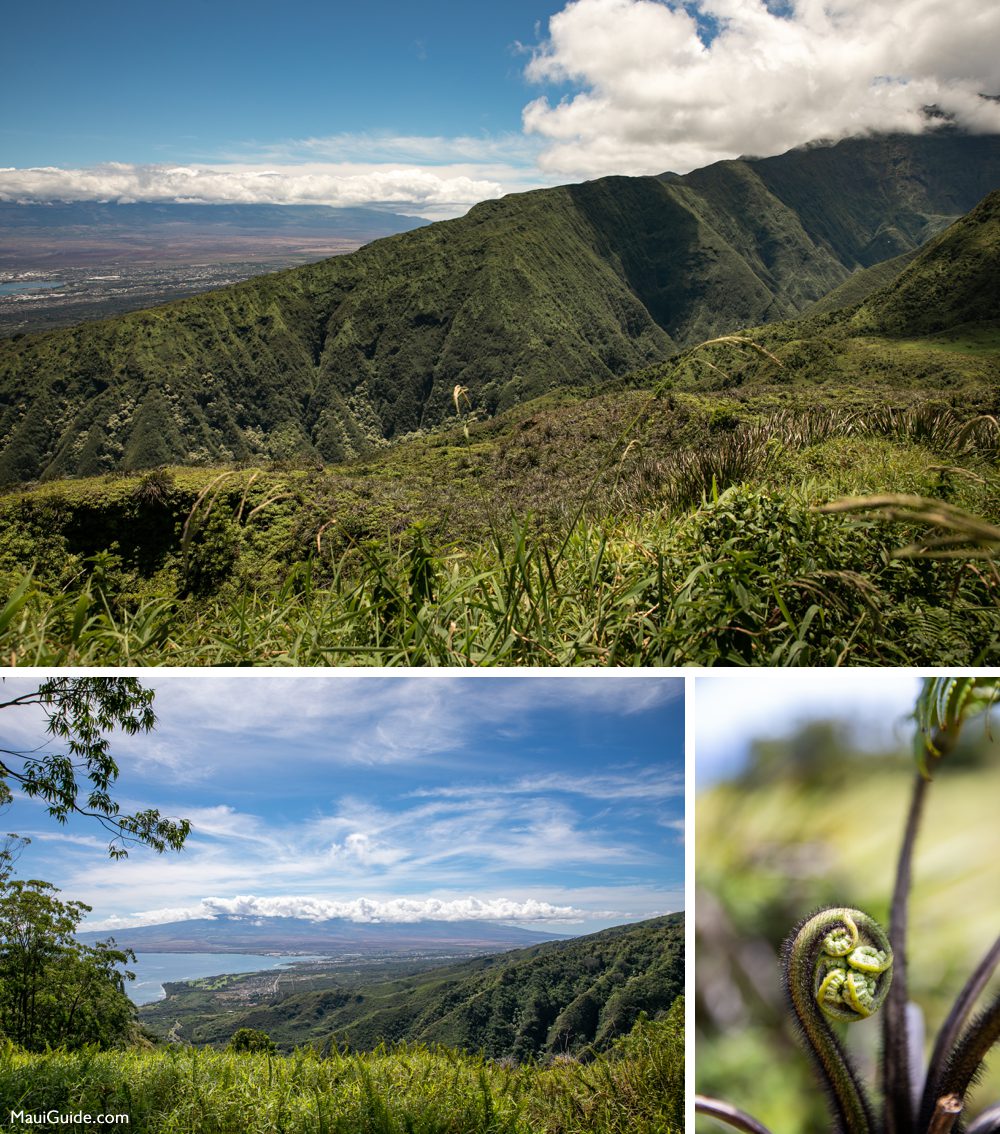
Waiheʻe Ridge views and a fern photographed by Natalie Brown in 2021. Visibility and trail conditions vary.
Choose the experience, then check the day
The best Maui waterfall adventures fit the people going and the conditions on the ground. A guided descent, a long forest walk and a ridge viewpoint ask different things of your group.
Pick one, leave enough time and follow the current instructions for that place. A waterfall doesn’t need to become a swim, and a worthwhile hike doesn’t need to end at the summit.

We’re a small group of full-time Maui residents that LOVE exploring and writing about what we think is the best place on Earth: The Island of Maui, Hawaii! Expect many more articles, reviews, photos and videos of Maui and all of the Hawaiian Islands. ALOHA!


0 Comments